
The recent bevy of flagship releases from the major manufacturers point to the relevance of having a distinct identity. Samsung has had the same Galaxy S3-esque design for their devices since last year, LG has claimed for themselves the rear key design, and Sony has continuously pushed for noisy of their recent releases the omnibalance form. And then we have Xiaomi, the darling of the Chinese smartphone brands that has had its fair share of fun in dominating is home market, giving more established local players like Lenovo and Huawei a run for their money.
Their flagship, the MI3, has garnered acclaim for carrying top of the line specs at the price of a typical midrange smartphone. Xiaomi fans have more to celebrate, however, since the phone was given a price drop from $327 to $270. Filipino fans have the most to celebrate, since the brand has finally launched locally, and has recently concluded their flash sale over at Lazada where 3,000 units of the device were sold. You can check out the specs below:
Xiaomi MI3 Specifications (Philippine Variant):
• MIUI V5 (Based on Android 4.4 Kit Kat)
• 2G 850/900/1800/1900 ; 3G 850/900/1900/2100
• 2.26GHz Qualcomm Snapdragon 800 (8274AB Variant) Chipset with Adreno 330 GPU
• 2GB LPDDR3 RAM ; 16GB eMMC 4.5 ROM (non-expandable)
• 5” IPS OGS Display with Corning Glass Protection
• FHD (1920×1080) Resolution (441 PPI)
• 13MP Sony IMX135 Camera with Dual LED flash, A/F, BSI, and f2.2 Aperture ; 2MP Front Camera with BSI and f2.2 Aperture
• 3050 mAh Li-Po Battery (non-removable)
• GPS+GLONASS, USB-OTG 2.0, NFC, BT 4.0LE, Noise Cancellation Mic, FM Radio, Dual Band WiFi, Dirac HD Stereo Speakers
• Accelerometer, Digital Compass, Gyroscope, Light Sensor, Barometer, Proximity Sensor

I was recently able to secure a unit for review, so now, it’s time to put the original “flagship killer” through the paces.
I. Out of the Box
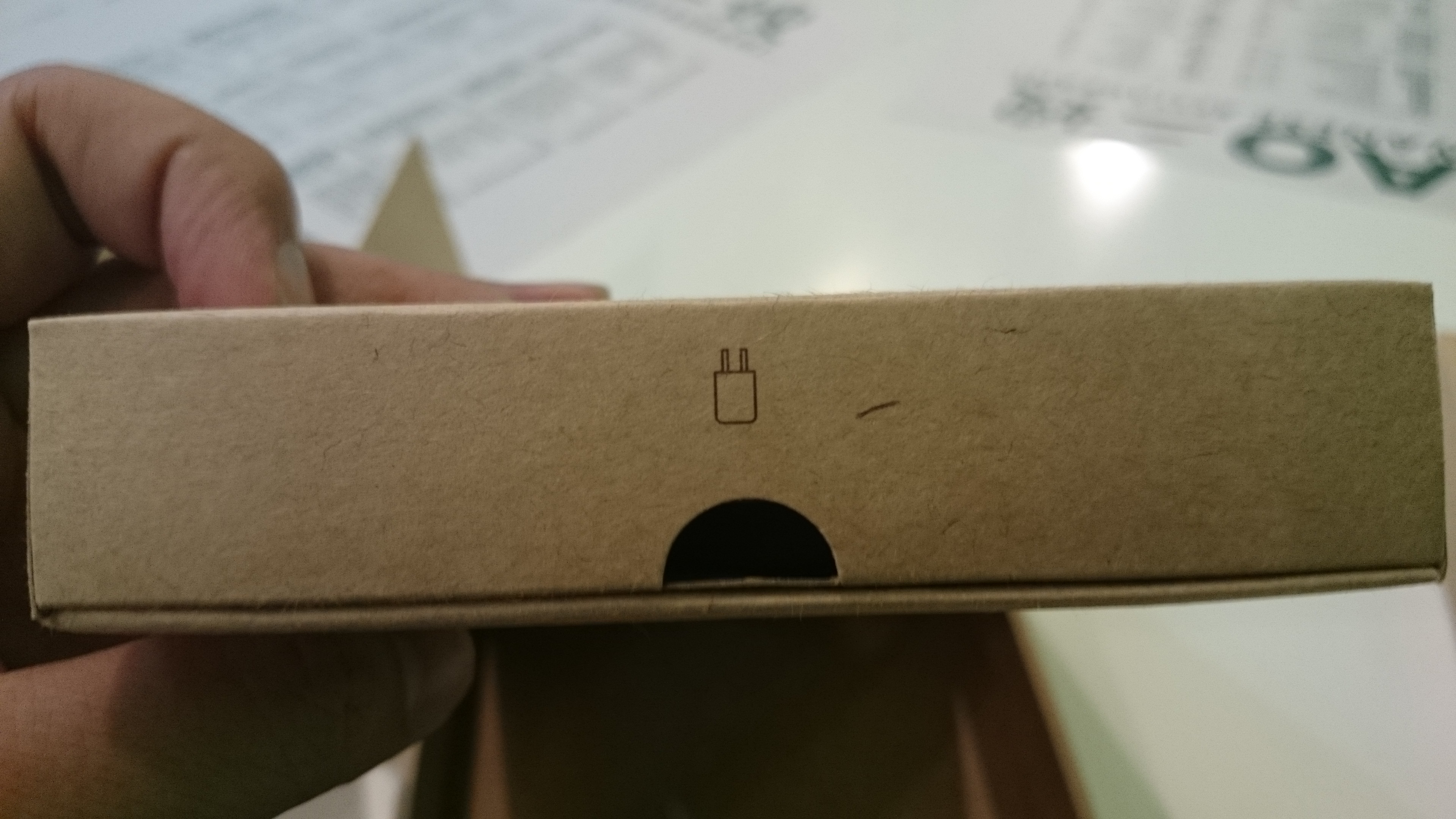
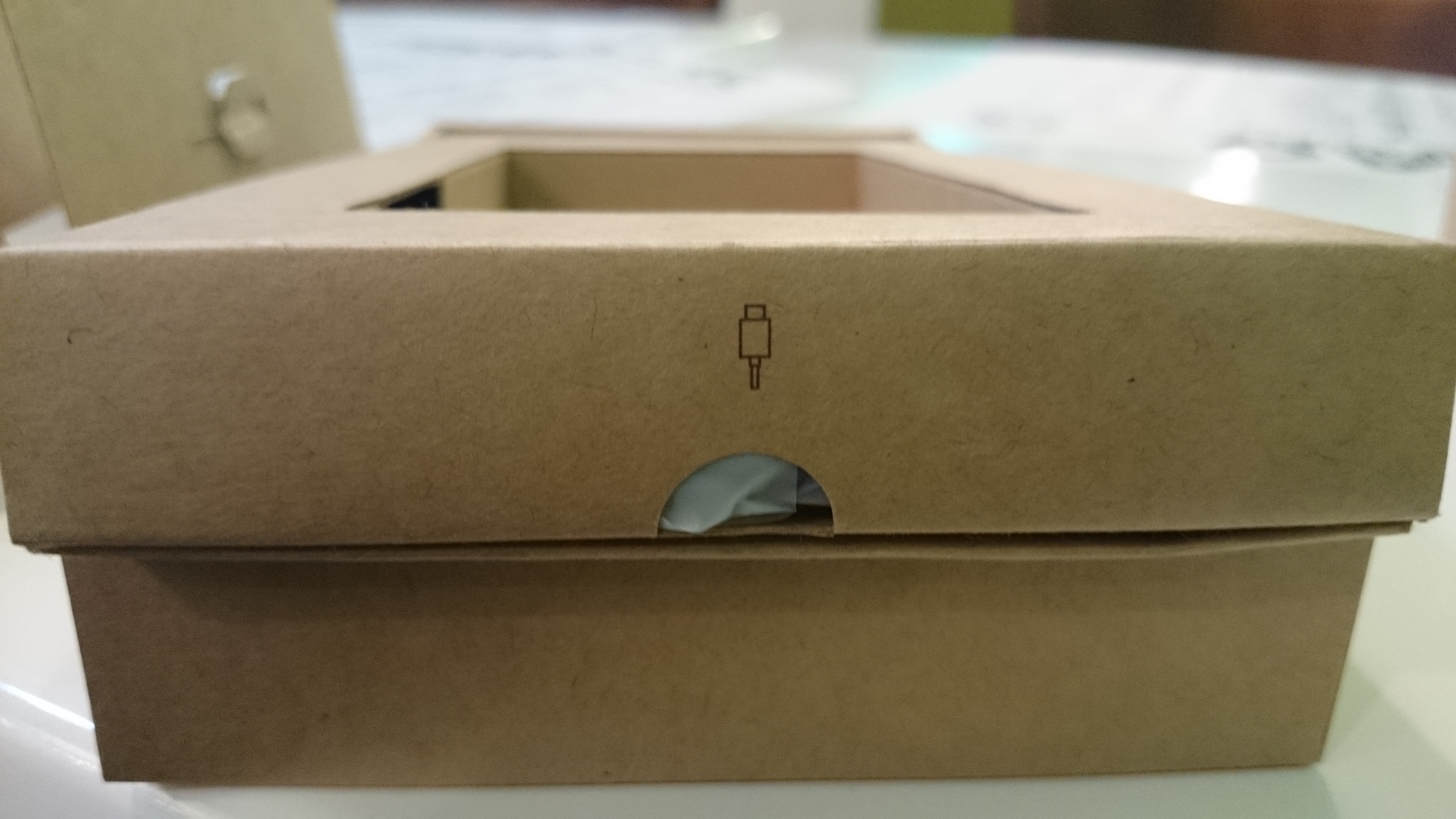
The MI3 comes in a simple eco-friendly package with no frills other than the brand name at the top left corner and a sticker on the rear indicating the specs. The packaging, apart from its simplicity, helps to bring the overall cost of the package down, which is probably why from the original MI phone, the MI3 has left only the brand name on the front, as opposed to the original which had a “skeletal” view of the phone.
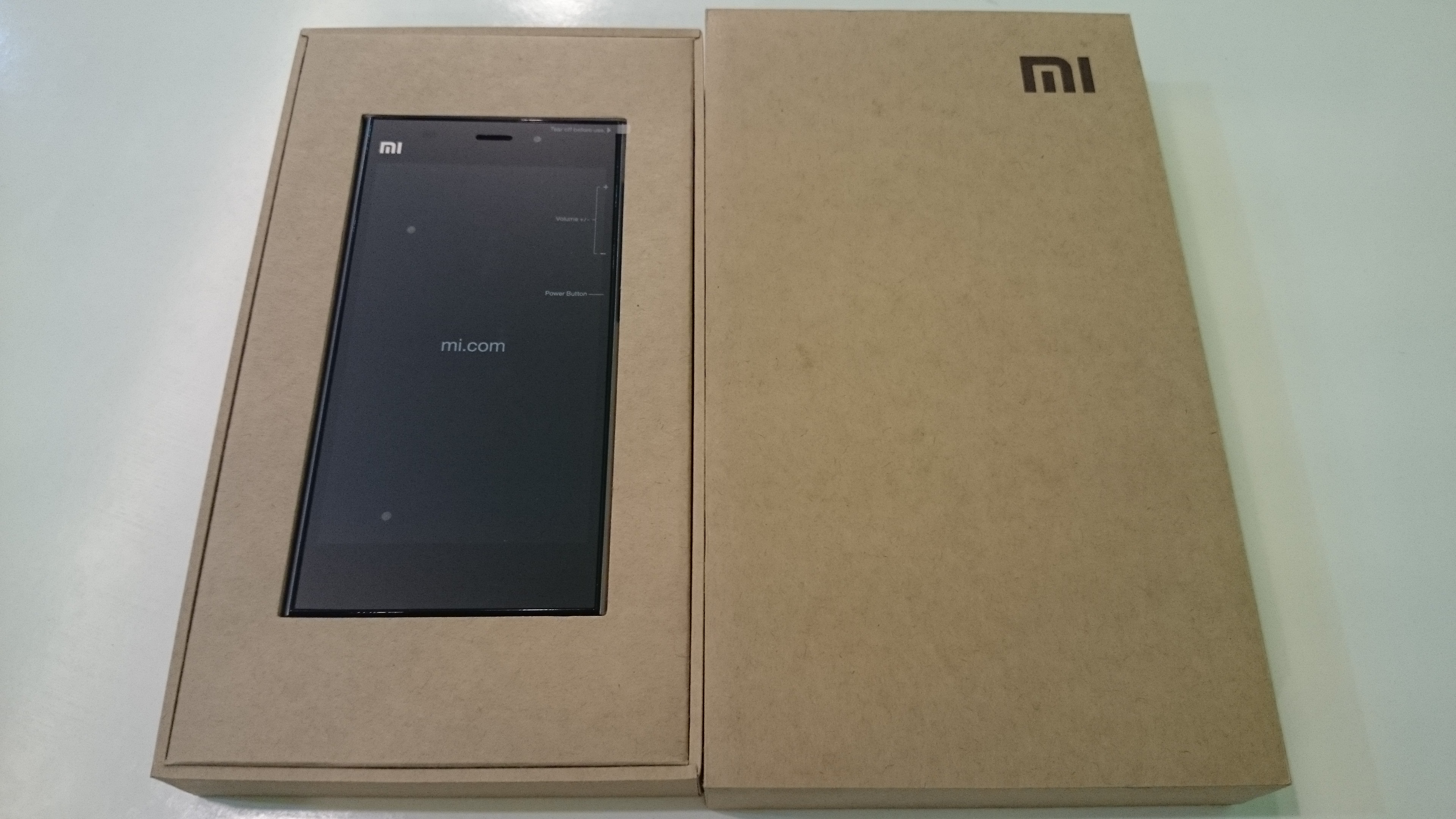
Upon opening up the packaging, the MI3 greets you smack right in the center, and pulling the device out reveals the remaining contents, such as the charger, USB cable, and quick start guide. Xiaomi sells the headset separately in other markets, although there is no word yet as to when these will be available locally.
Upon holding it for the first time, I couldn’t help but realize what so many others before me have said:
“It feels like a Lumia”.
Form factor wise, the similarities are quite visible. The curved sides, the button positioning, and the overall feel would make you think you were holding a larger Lumia 920 if your eyes were closed. The only available color at this time locally is Metallic Grey, and it does not disappoint. The device feels cool to hold and is manageable, in part due to the curved sides. The device has some rather thick bezels on the top and bottom, while the sides could’ve been a little slimmer, but that will probably be something we’ll see improved on the yet-to-be announced MI4.
The display is a 5” full HD IPS panel from LG, and is protected with Corning IOX glass. With Xiaomi’s declaration that the display is OGS, and with Xiaomi founder Lei Jun himself saying that the glass is Corning Glass (without specific reference to whether it was Gorilla Glass 1, 2, or 3), I decided to do a bit of research and discovered that Corning supplies what is called the IOX-FS glass (http://www.isce.ieee-cesoc.org/20120604_Corning_Zachi%20presentation%20FINAL.pdf) which is designed for devices wanting to use OGS displays. They are still scratch and damage resistant but cannot be called Gorilla Glass per se. Still, with 441 pixels per inch that are much crisper, and the fact that tempered glass for the device is available, there should be no worry with regards to screen protection or quality.
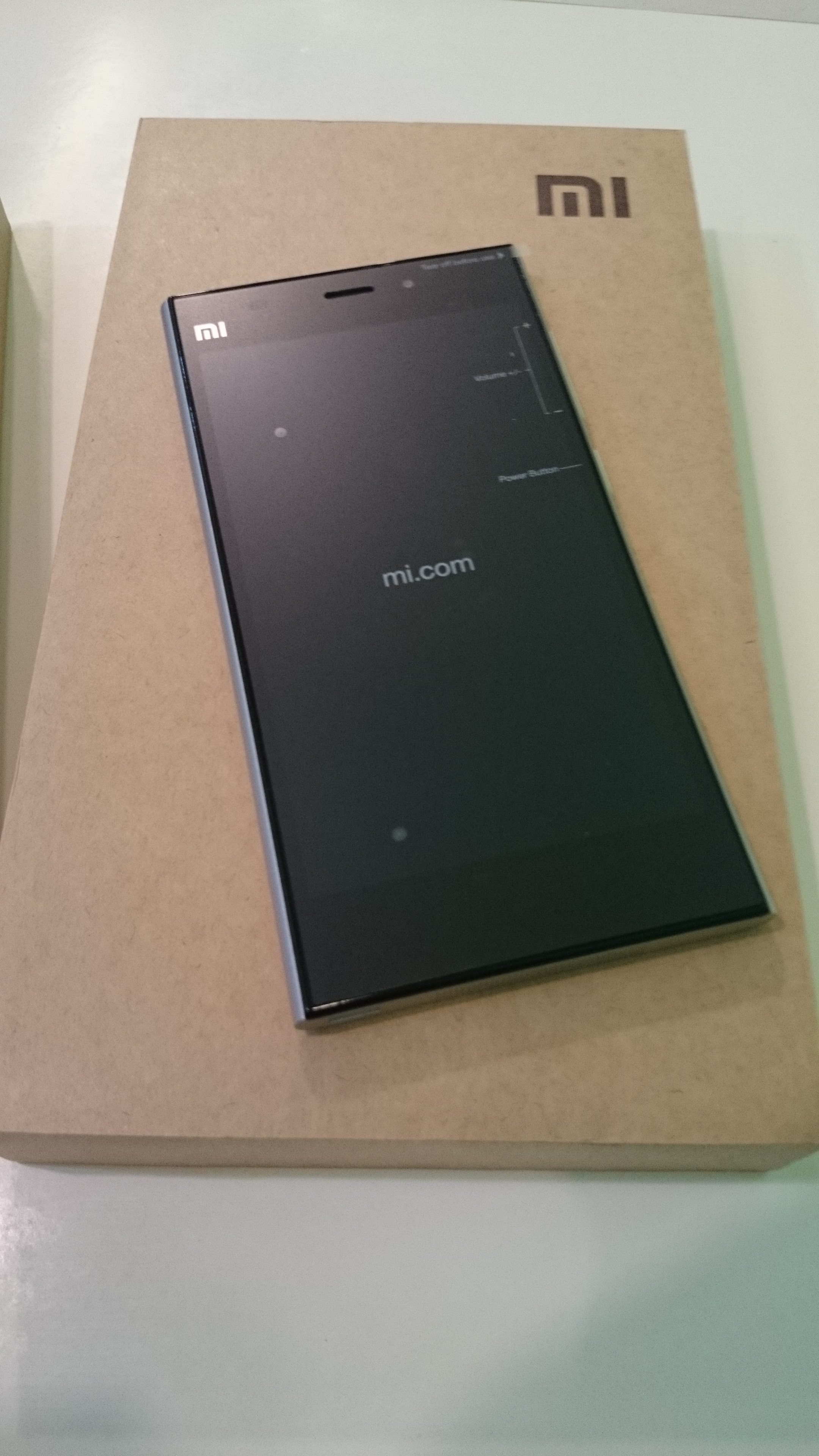
The top portion hosts the earphone jack and the SIM card tray, which, surprisingly, takes in a regular sized SIM card, something you don’t see every day with other flagships that have already switched to micro and nano SIM card trays. This means that if you’re using either of the 2 kinds, then you’d better find an adapter for it. The bottom of the device has the Dirac HD Stereo Speaker and the micro USB port for charging and file transfers.


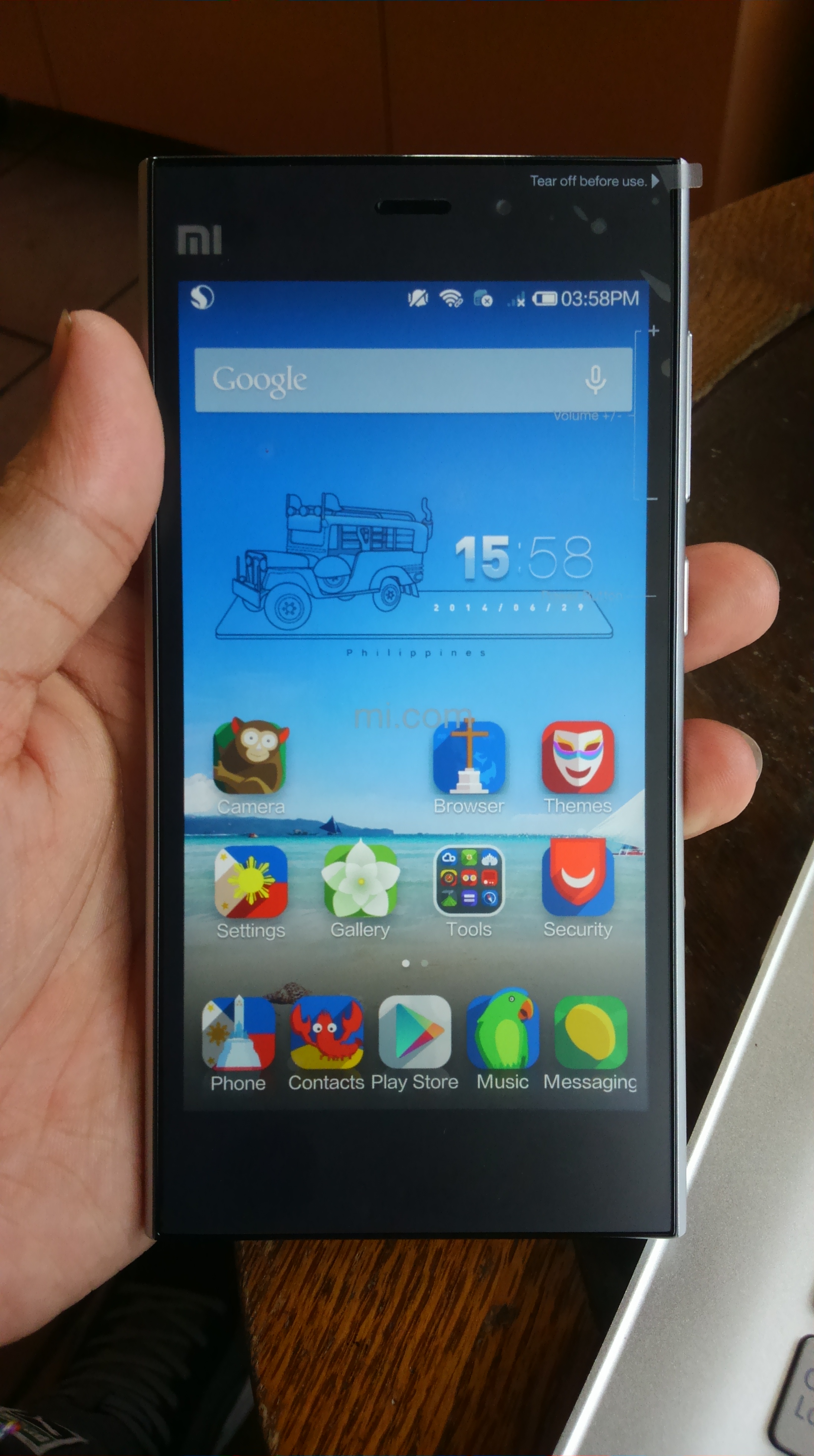
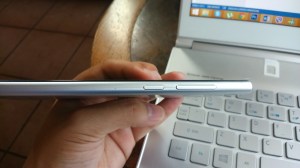
Booting up the device will give you a complete different reaction. After going through the normal start-up process, I was greeted with the iOS-looking MIUI V5. After applying the recently announced “Philippine” theme, this is the home screen that greeted me:
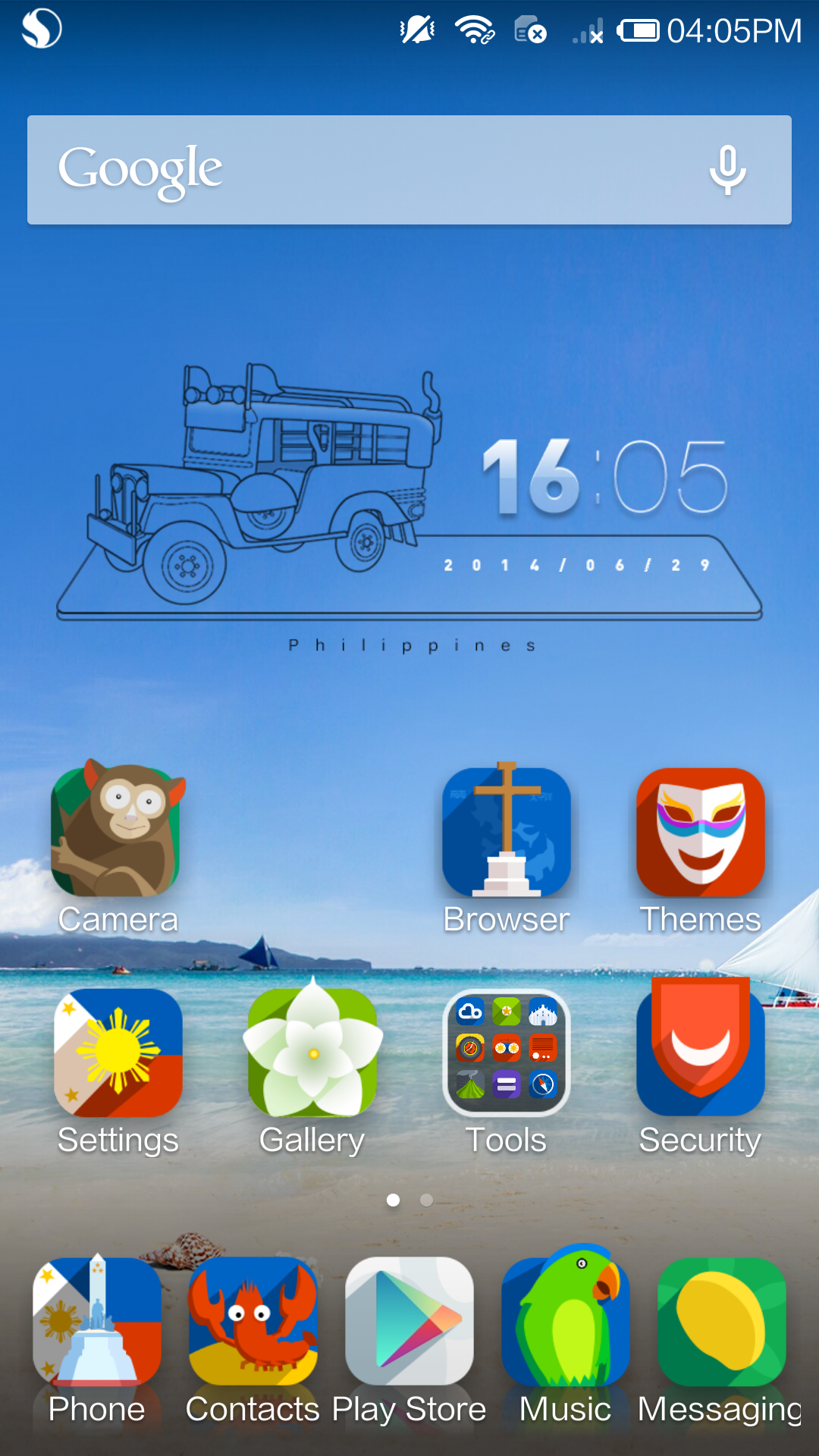
You have to admit. It gives off a nice Nationalistic/Vacation Vibe.
Xiaomi has become quite famous in the developer community for the promise of weekly updates (every Friday, to be exact) that it promises to its users, as well as multitude of themes it offers for its users without the need of downloading a 3rd party launcher. Just like iOS, MIUI has done away with the traditional app drawer in favor of having everything on screen. For the iPhone user migrating to Android on this device, the feeling’s familiar. For the stock Android user, however, you’ll probably want to look into installing either Nova Launcher or Apex Launcher from the Play Store.
Overall, construction of the device feels really solid. Now that we’ve got the external parts down pat, it’s time to take a look at the hardware and the software and see how it fares.
II. MIUI
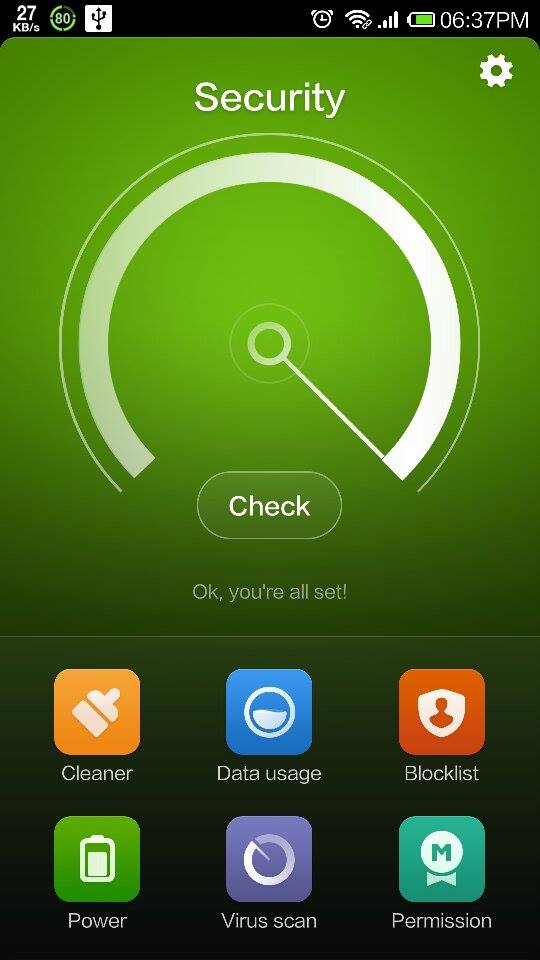
When the original MI phone launched a few years back, the big highlight was the introduction of their proprietary launcher/UI called MIUI. It not only promised great performance, but it also promised frequent updates and a large development community that constantly finds little bugs here and there to ensure that the OS runs smoothly. Exploring the MI3 will give you a pretty good idea of what it means to have a LOT of software customizations. For example, it comes with its own Theme Store for you to choose between various themes and icon packs for your smartphone. It also comes with its own MiTalk, a chat application that you can use to chat with fellow MI users. Another helpful feature is the Security application that helps to optimize device usage. Inside, it comes with a cache cleaner, a data usage monitor, a block list (helpful for pesky text spammers), a power manager which includes a battery configuration manager, and a permissions manager.
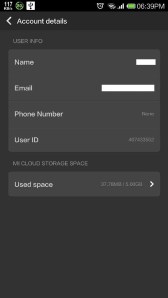
Taking a trip to the Settings, if you’ve registered for a MI account, you’ll see that you have 5GB of free cloud storage courtesy of MI Cloud. This’ll come in handy, especially since the device only has 16GB of internal storage. To be fair, however, it has around 13GB of user available storage, which is not bad considering other devices would probably have around 10-12GB. Another interesting feature is the option to adjust the color temperature and saturation of your screen display. Speaking of the display, the MI3 utilizes the proximity sensor of the device by adding a “Prevent Pocket Dials” option that automatically locks your phone when it’s placed inside your pocket. You can also opt to make the screen extra sensitive to pressure by activating “Glove Mode”, something that Xiaomi CEO Lei Jun was particularly proud of in showcasing when the device launched last year.
Of course, 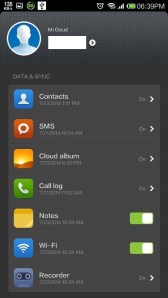 one major thing that MIUI brings is the option for themes. With a multitude of free themes for download, it gives users the chance to customize their devices. The one drawback of the themes, however, is that when any theme is loaded (sans the default one), it normally consumes up to 200MB of your RAM, making the available user RAM around 700-800MB. Hardcore gamers may want to think twice, since the more free RAM they can use for their gaming, the better.
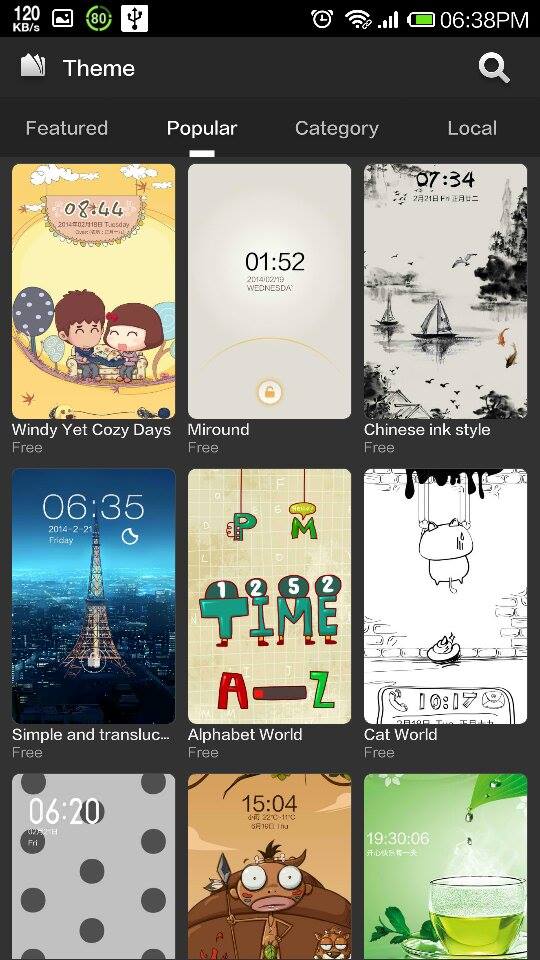
The features above are just the tip of the iceberg in terms of what MIUI can offer, and with weekly updates*, users can expect more and more from their phones as time passes.
*The weekly updates are done by flashing the device and downloading the software from the official MIUI forum page here: http://en.miui.com/forum.php
III. Performance and Usage
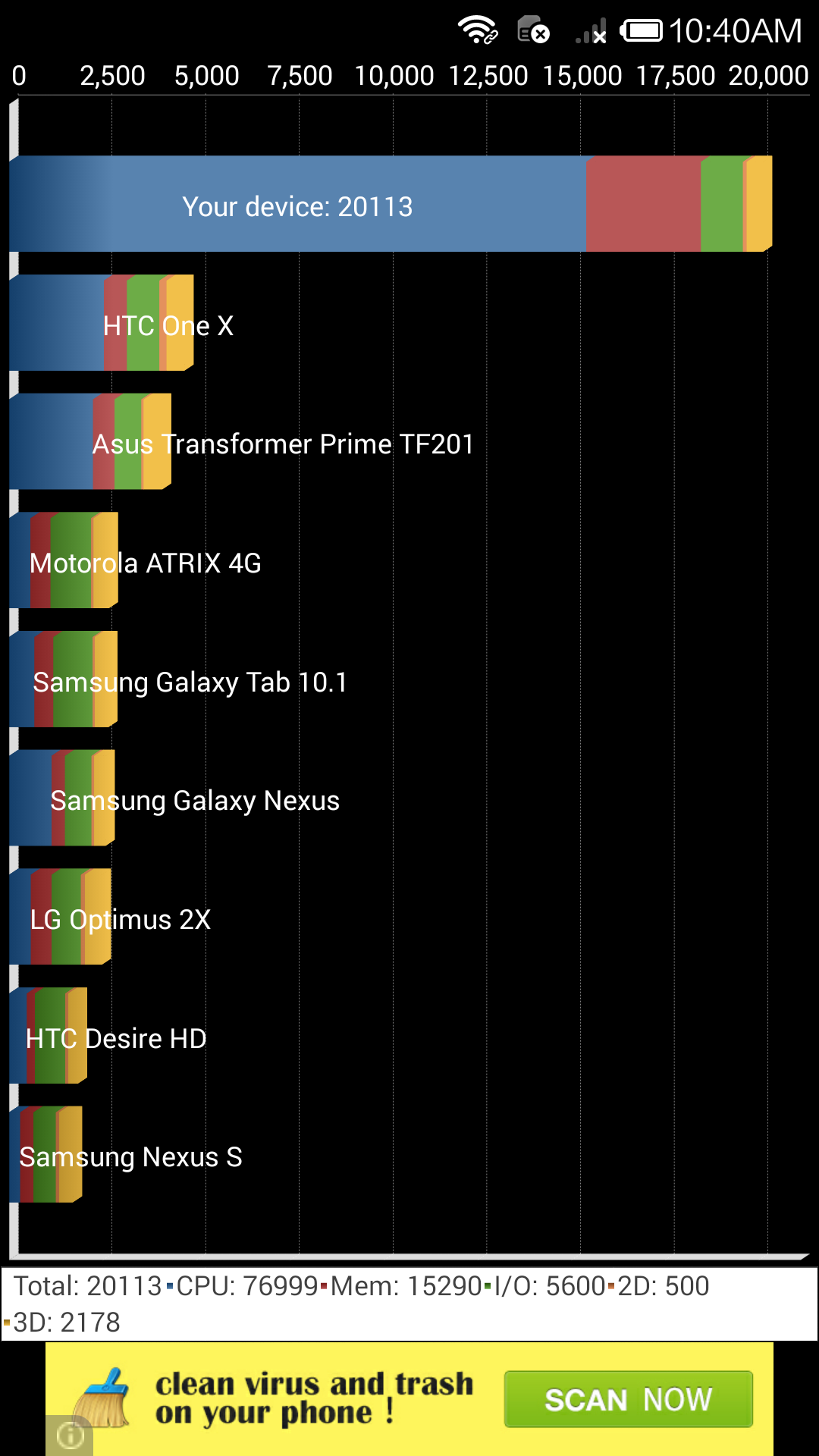
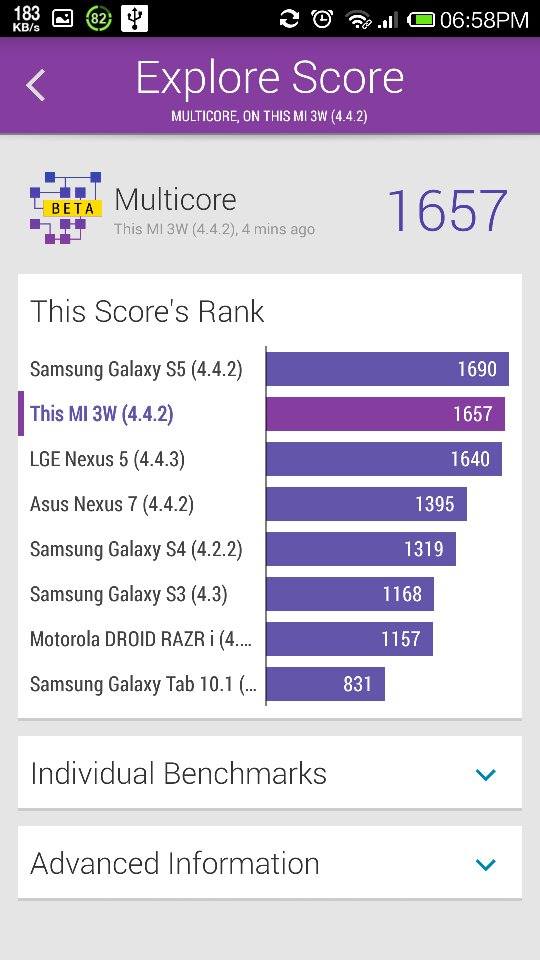
We now come to the arguably biggest selling point of the MI3, which is the Snapdragon 800 chipset. Although admittedly a little outdated due to the release of the Snapdragon 801 and 805, it is nevertheless a very powerful CPU, and is present in a variety of powerhouses such as the LG G2 and the Sony Xperia Z1. And at P10,599, there is very little to no room to complain about the raw power of the device. It handles practically anything you throw at it. The benchmark scores alone can’t speak for it, but as reference, it got the following scores:
Antutu: 32779
Quadrant: 20113
Nenamark2: 60.0 FPS
Vellamo Multicore Test: 1668
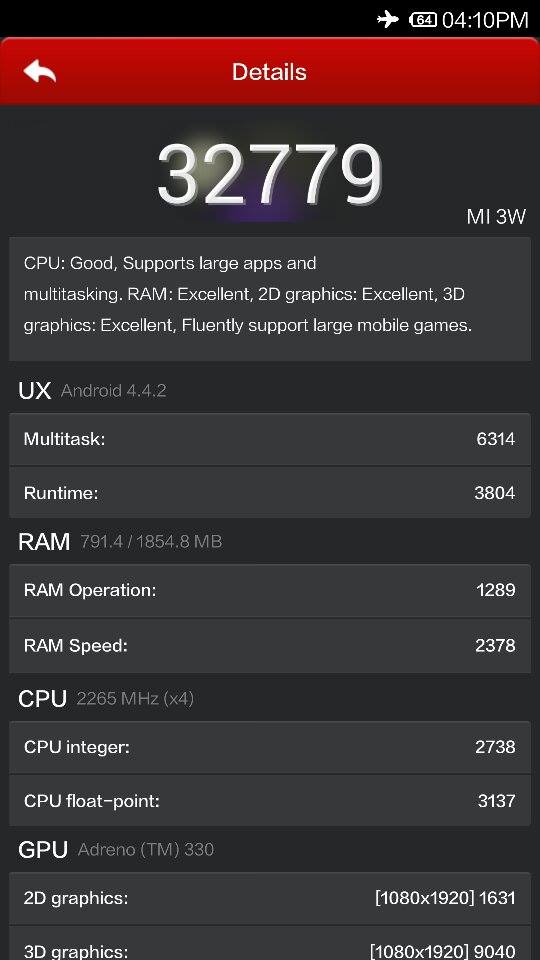
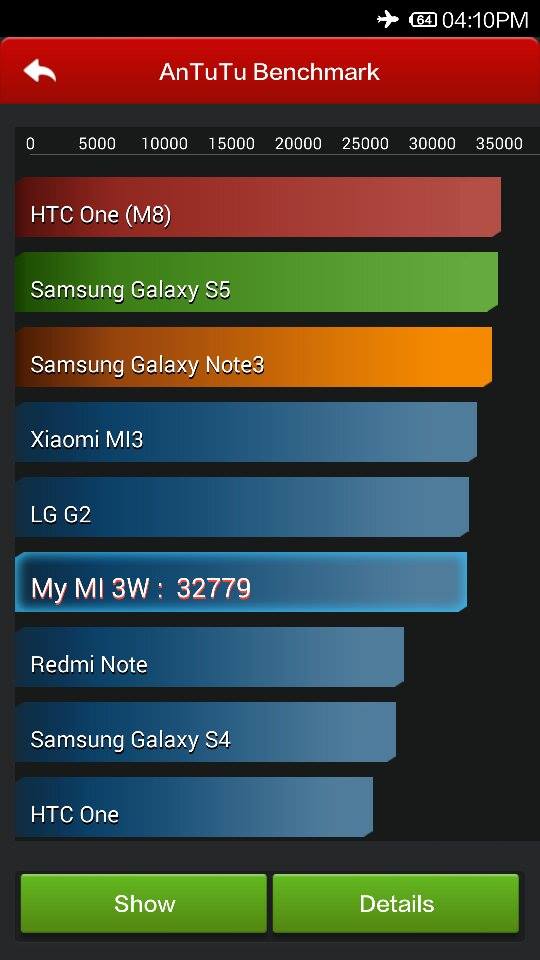

In terms of raw specs, this device packs a punch indeed. There is no question that whatever you throw at it, the processing power of the MI3 can certainly handle it, from basic browsing to hardcore gaming. The processor, together with the 2GB of RAM helps to make sure that lags are non-existent.
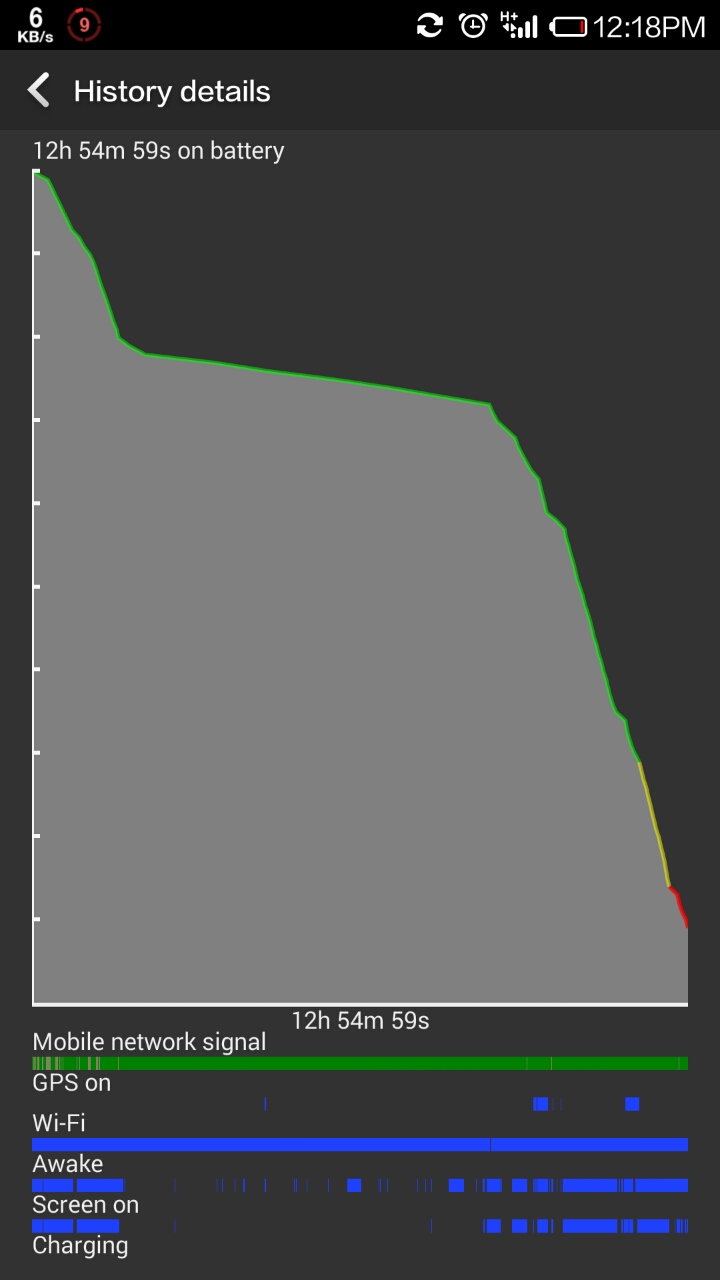
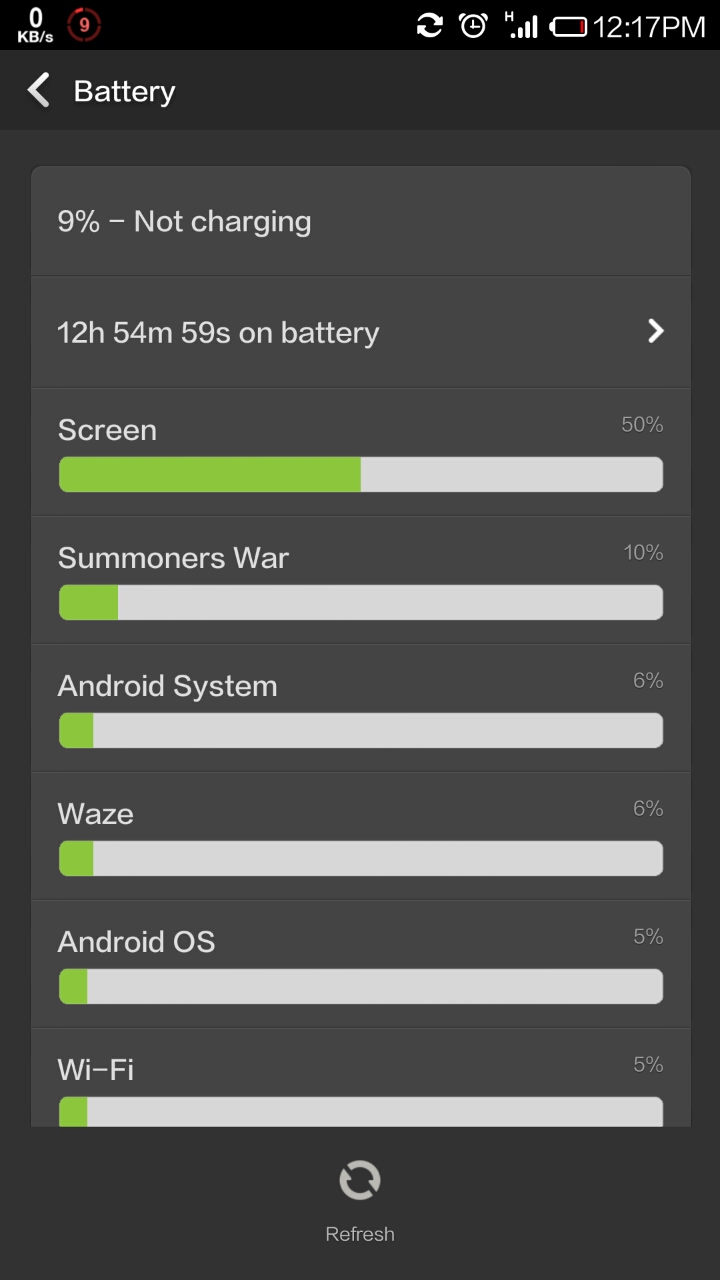
The battery life of the device is quite commendable. Using it a whole day without turning off the 3G connectivity, streaming videos, playing games, and other activities resulted in almost 13 hours of straight battery life.
IV. Camera
In today’s day and age, a flagship smartphone cannot be going around with a subpar camera, and with each brand trying to outdo the other, it will all eventually boil down to the details. The MI3 comes equipped with a Sony IMX135 Lens on the rear and a 2MP camera at the front with BSI. Check out some of the sample photos, and just for comparison, I decided to pair them up with shots taken from an LG G2 (which uses the same lens as the MI3). You can determine for yourselves which among the 2 seems better:
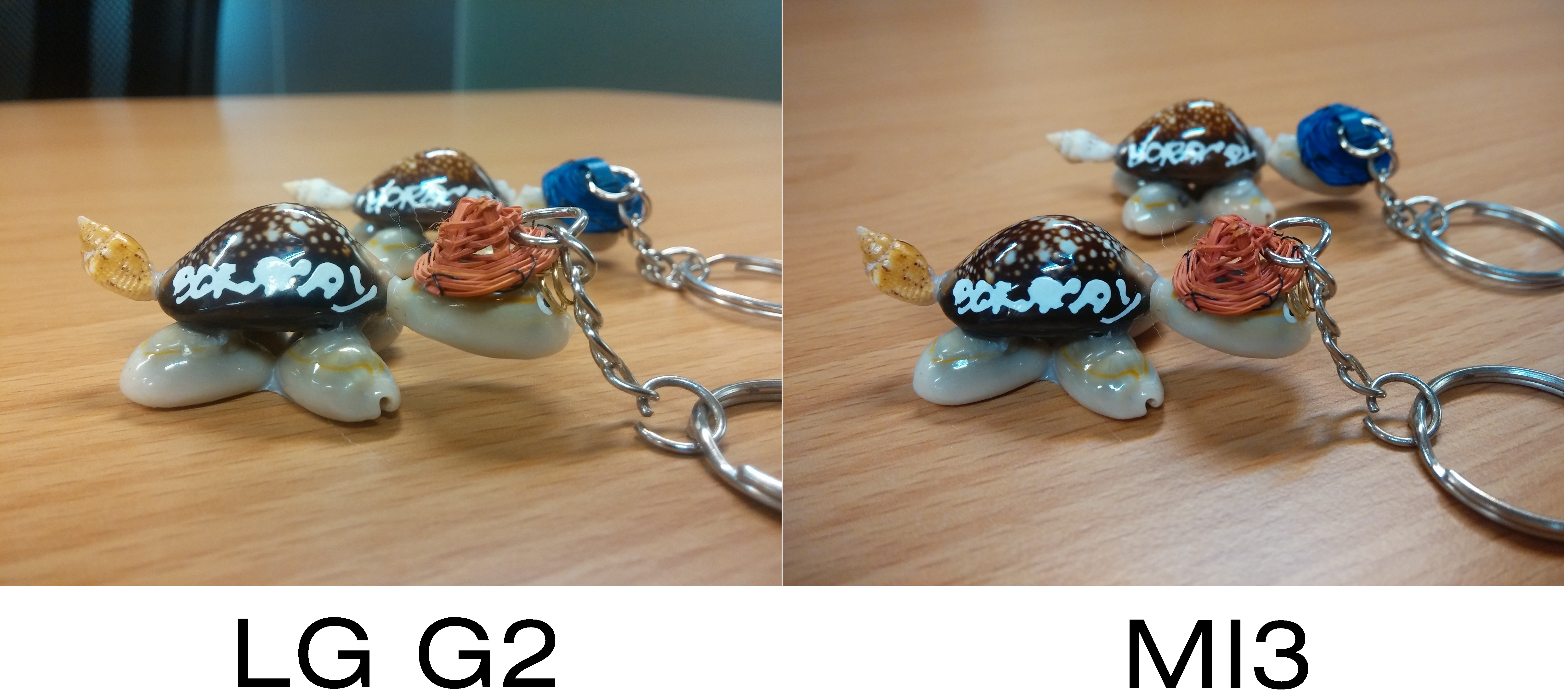
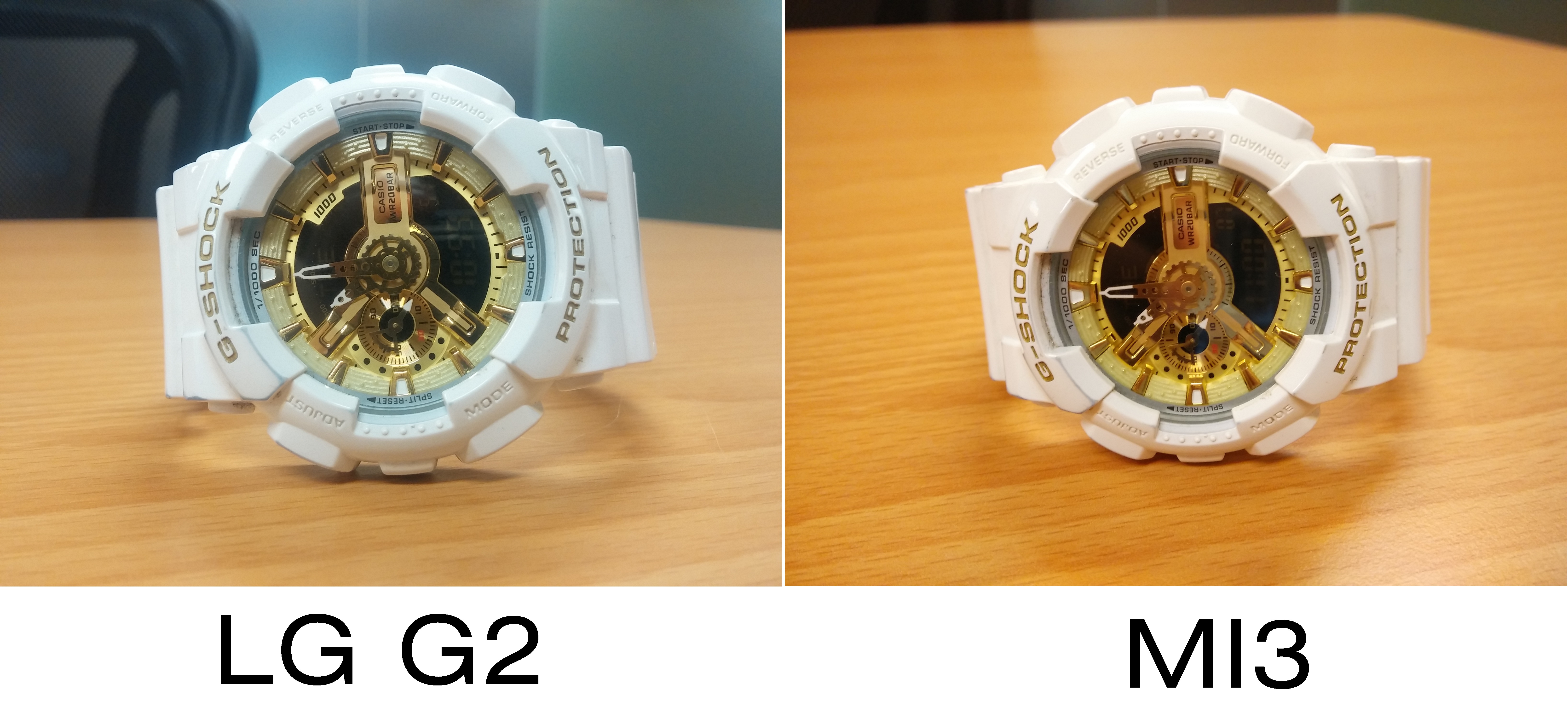
Apart from the samples, I also took some shots in low light conditions to see how it would fare without flash.


(with flash)
 (without flash)
In terms of the low-light conditions, it fares quite well, in due part because of the BSI sensor which helps it to absorb more natural light. One tidbit, however, of the camera is that there have been users (including myself) that experienced trouble with the camera, such as the rear camera suddenly crashing (Can’t Connect to Camera error) or the front camera will suddenly have erratic lines.
V. Conclusion
At P10,599, there is no question that the MI3 is an epic bargain. Even after purchasing all the accessories (tempered glass, protective case, earphones, powerbank, etc.), it would still come up to around P14,000-15,000, and that’s even against 2nd hand, top of the line smartphones that would still probably cost around P16,000-P17,000 at the least.

Xiaomi did promise that it would bring more of its devices over when the time is ready, so excited MI fans will have a lot to look out for from the Chinese giant. With the Redmi Note being recently launched in Singapore, it won’t be long before the Philippines gets a crack at it as well.
 thegdgtguy.com
Great review! Keep it up.
Great Review… Accuracy to detail… love the way you pointed out for the corning glass.. 🙂
keep doing more posts like this buddy..
Hey just wanted to give you a quick heads up. The words in your article seem to be running off the screen in Ie. I’m not sure if this is a formatting issue or something to do with browser compatibility but I figured I’d post to let you know. The layout look great though! Hope you get the problem fixed soon. Many thanks
I know this if off topic but I’m looking into starting my own blog and was wondering what all is required to get set up? I’m assuming having a blog like yours would cost a pretty penny? I’m not very web smart so I’m not 100% positive. Any tips or advice would be greatly appreciated. Many thanks
I enjoy what you guys are up too. Such clever work and coverage! Keep up the wonderful works guys I’ve included you guys to blogroll.
Hi! I’m at work surfing around your blog from my new iphone! Just wanted to say I love reading through your blog and look forward to all your posts! Keep up the outstanding work!
In the grand pattern of things you actually secure an A+ for effort. Where you actually lost everybody was first on all the details. As people say, details make or break the argument.. And that couldn’t be much more correct right here. Having said that, allow me reveal to you just what exactly did deliver the results. The article (parts of it) is extremely powerful and that is possibly the reason why I am taking the effort to opine. I do not make it a regular habit of doing that. 2nd, even though I can notice the leaps in reasoning you make, I am not really certain of just how you appear to connect the points which help to make the actual final result. For now I will, no doubt subscribe to your issue however hope in the foreseeable future you link your facts much better.